



How Golden Week Was Born
In 1948, the Japanese government revised the national holiday calendar and created a cluster of holidays in late April and early May:
- April 29: Emperor’s Birthday
- May 3: Constitution Memorial Day
- May 5: Children’s Day
In 1985, May 4 became Citizens’ Holiday. For the first time, people could combine these holidays with weekends and create a full week off — soon known as Golden Week.
During the 1960s–1980s, when workers often couldn’t take long vacations without risking their jobs, Golden Week became a rare chance for families and young people to travel abroad.

Credit: Gurutto Fukushima
This year’s Golden Week stretches to 12 days, earning the nickname Oogata Renkyu, meaning “super long holidays.”
Surveys show that about half the population plans to stay home or take short local trips due to the weak economy and rising prices. But no worries — corporations, organizations, and museums across Japan have created many affordable, high-quality events to enrich the holiday experience.
Here are some of many highlights:

Festivals (Matsuri)
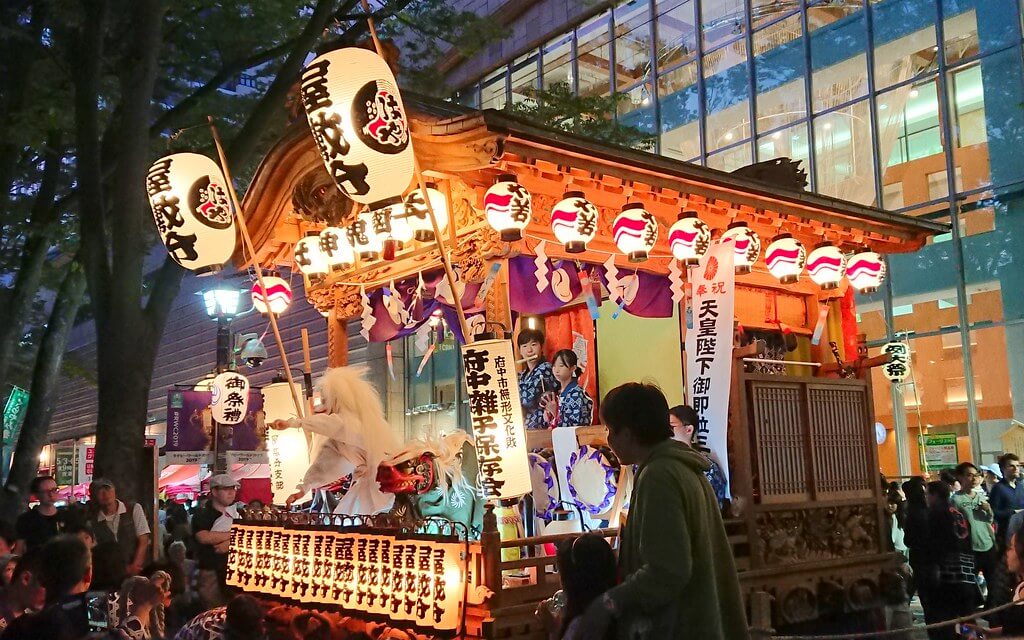
- Kurayami Matsuri (Darkness Festival): Held at Okunitama Shrine in Tokyo, famous for a night time large-scale float parade and portable shrines.
- Meiji Jingu Spring Grand Festival: Features traditional Japanese performing arts.
- Kasukabe Giant Kite Festival: Features massive, hand-painted kites, typically on May 3–5 in Saitama
- Hakata Dontaku Port Festival: A major, high-energy parade in Fukuoka.

Food Festivals
- Meat Festival Tokyo: Held in Odaiba.
- Craft Gyoza Festival Tokyo: Takes place at Komazawa Olympic Park

Credit: Media Drum World

Flowers and Nature
- Ashikaga Flower Park: Famous for massive wisteria trees.
- Hitachi Seaside Park: Famous for blooming nemophila (blue flowers).
- Showa Kinen Park: A long-running spring flower festival in Tokyo.

Family & Cultural Events
- Tokyo Skytree Town Koinobori Festival: Features traditional carp streamers, a staple of Children's Day (May 5).
- Yokohama Minato Mirai Seaside Cinema: Outdoor cinema experience.
- Arita Porcelain Markets:A huge ceramics market in Saga Prefecture


